
When a damp, musty odor wafts from vents after your attic air handler runs, you have a moisture and air quality issue that needs prompt attention. Orlando’s high humidity, frequent summer thunderstorms, and hurricane season create conditions where attic units, drain lines, insulation, and ducts develop mold and bacterial growth. You live near landmarks like Lake Eola, Winter Park, or the I-4 corridor, and those same local weather patterns affect every home in College Park, Baldwin Park, and Conway. This post explains where the smell originates, how air conditioner repair tackles the problem, what a qualified HVAC technician will do in your attic, and immediate steps you can take before service arrives.
Key takeaways
- A moldy smell from an attic air handler usually means moisture and biological growth in the drain, coils, ductwork, or insulation.
- Professional air conditioner repair can remove sources, restore airflow, and apply disinfecting treatments to stop spread.
- Act quickly during Orlando’s humid rainy and hurricane seasons to prevent mold from spreading through ductwork into living spaces.
- Short-term homeowner steps include shutting off the unit if safe, running fans, and calling a licensed HVAC technician.
- If repairs will exceed half the replacement cost or the coil and cabinet are extensively corroded, replacement may be more economical.
Why your attic air handler produces a moldy odor
A mold smell coming from an attic unit has a few common sources, each tied to moisture and restricted airflow.
- Condensate drain clogs. Debris or microbial slime blocks the drain pan or line, allowing standing water to stagnate and emit a musty odor.
- Wet or dirty evaporator coils. Coils covered with dust and biological film stay damp and become growth sites for mold, mildew, and bacteria.
- Contaminated ductwork. Attic ducts that run through humid, unconditioned spaces are vulnerable to condensation and mold on insulation or the inner duct surface.
- Insulation or attic leaks. A roof leak or poor attic ventilation can wet insulation and framing, producing strong, persistent odors that appear to come from the HVAC system.
- Dead rodents, pests, or stored organic debris. These can create an odor that travels through the return and supply system.
Because the air handler is the house’s central mover of air, any attic-based growth will quickly distribute smell through vents. If you need targeted repair, start with professional Air Conditioner Repair. A certified technician will diagnose the exact source and recommend the right repair or treatment.
How Orlando weather makes the problem worse
Orlando averages high humidity and long warm seasons, which changes how quickly mold establishes and spreads.
- Summer and rainy season: Frequent thunderstorms raise attic humidity. Warm, moist air allows microbial colonies to grow on coils and in drain pans within days.
- Hurricane season: Large storms can introduce roof leaks or saturate insulation; even a short leak under the eaves can produce a persistent odor.
- Nighttime temperature swings: When attic temperatures drop, condensation forms on cold ductwork and coil surfaces, creating moisture pockets.
Because these factors vary by neighborhood, technicians will ask whether you live near landmarks like the Orlando International Airport, Winter Park Village, or the Dr. Phillips area. That helps them anticipate common issues for your microclimate and plan the correct air conditioning service.
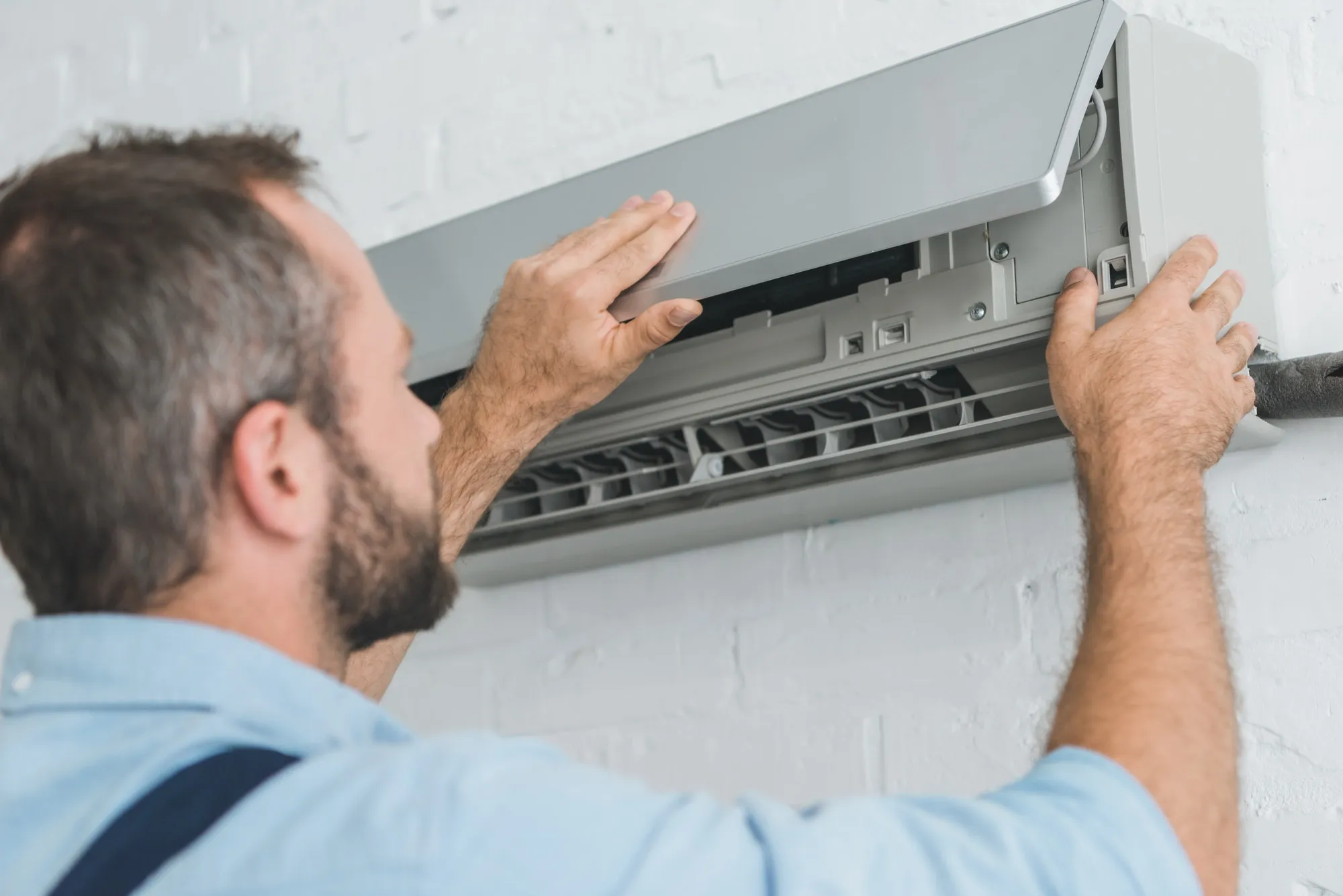
Can AC service stop the spread of mold and odor?
Yes, when the service addresses the source and restores proper drainage and airflow. General steps a reputable HVAC service takes include:
- Full diagnostic inspection to identify whether the odor originates from the drain, coils, ducts, insulation, or attic structure.
- Cleaning and clearing the condensate drain line and pan, and replacing corroded pans or fittings when necessary.
- Coil cleaning using approved chemical cleaners or steam to remove biofilm and restore heat transfer.
- Duct inspection and targeted cleaning where contamination exists, with repairs to torn or uninsulated sections.
- Application of EPA-registered disinfectants or microbial inhibitors on coils and drain pans when appropriate.
- Recommendations for attic ventilation fixes, roof repairs, or insulation replacement if those are the underlying cause.
These are common items included in AC repair and targeted mold-control work. If the technician clears the source and treats the system, the odor should stop spreading through your home. Follow-up testing or a secondary visit may be needed in complex cases.
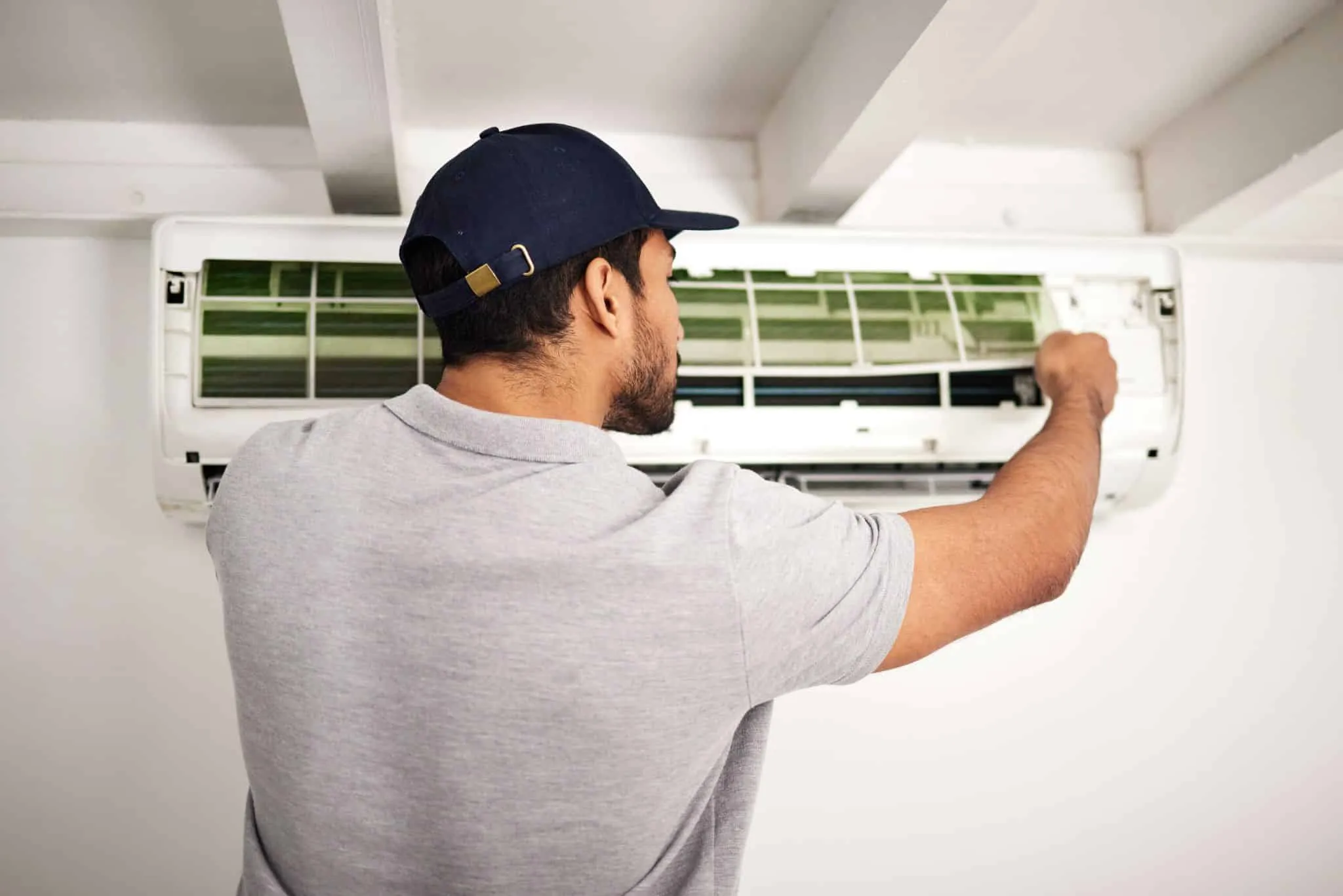
What a technician will do inside your attic unit
When QUICK AIR USA arrives for an attic visit, expect a methodical approach that documents the problem and minimizes disruption.
- Safety check. The tech confirms power is isolated, inspects for electrical hazards, and checks attic access and fall protection.
- Visual and moisture inspection. They use a moisture meter and flashlight to inspect the evaporator coil, drain pan, nearby insulation, and roof sheathing.
- Drain restoration. Technicians clear the drain line mechanically or with a safe chemical treatment, then test drainage while the unit cycles.
- Coil and cabinet cleaning. If coils or the cabinet interior host visible growth, they will remove surface contamination and rinse the coil to improve airflow.
- Duct assessment. They check ducts for black deposits, disconnected sections, or condensation points and recommend cleaning only where contamination exists.
- Documentation and recommendation. You will receive a written summary and options: localized cleaning, duct sealing, attic repairs, or replacement if the system is beyond economical repair.
If you prefer an all-in-one visit, ask about combined options in their Air Conditioner Repair package details before the technician starts work.
Immediate steps you can take before a service call
While waiting for professional help, these homeowner actions reduce spread and protect indoor air quality.
- Turn off the attic unit if you smell strong mold or suspect a roof leak. This prevents the HVAC system from moving contaminated air through living spaces.
- Run bathroom and kitchen exhaust fans to create negative pressure near source rooms, drawing odors out rather than through vents.
- Open windows in unaffected rooms to increase ventilation if outdoor air quality is good.
- Avoid using air fresheners or odor-masking sprays. They cover the smell but do not remove microbial growth.
- If safe, inspect the attic hatch for visible water stains, wet insulation, or obvious leaks and seal the hatch temporarily with weatherstripping.
For guidance tailored to a whole-home heating and cooling system, consult QUICK AIR USA’s Heating and Air Conditioning team. If you have health symptoms like persistent coughing, wheezing, or allergic reactions, consider leaving the home until the issue is addressed, and inform the technician about occupants with asthma or immune sensitivities.
When repair may not be enough: replacement considerations
Sometimes the extent of damage makes replacement the safer, more economical option. Use these rules when deciding:
- Age of system. If the attic unit is older than 12 to 15 years and has multiple failures, replacement often makes sense.
- Corroded coil or pan. Severe corrosion that allows leaks or persistent pooling limits the effectiveness of repairs.
- Recurrent mold or leaks after professional treatment. If you require repeated disinfecting and cleaning, a new unit and duct remediation will solve the root cause.
- Cost relative to replacement. If repairs exceed roughly half the cost of a new, properly sized system, replacement is usually recommended.
Technicians will provide an honest cost comparison. If you need help understanding options, QUICK AIR USA can perform an on-site evaluation and explain replacement versus repair costs.
Schedule inspection and stop the smell before it spreads
A mold smell in your vents is not just unpleasant; it signals moisture conditions that will damage insulation, framing, and indoor air quality if left unaddressed. Call QUICK AIR USA – AC Services at (866) 207-8555 to schedule an attic inspection and professional air conditioner repair in Orlando. If you prefer online details first, see their local Orlando, FL page for service areas and same-day options. Acting now limits cleanup costs and protects your home.
Frequently asked questions
What is the most common AC repair?
The most common AC repair is fixing issues related to refrigerant leaks, dirty or clogged filters and coils, and failed capacitors or contactors that prevent the compressor from starting. For homes in Orlando, condensate drain clogs are also frequent because high humidity creates more condensate. QUICK AIR USA technicians will inspect filters, electrical components, and the drain system as part of a standard diagnostic during an Air Conditioner Repair.
What is the $5000 AC rule?
The $5000 AC rule is an informal guideline some homeowners use to decide between repairing or replacing an HVAC system. If the cost of repairs is approaching or exceeding 50 percent of a new system’s cost, and the unit is older than 10 to 12 years, replacement is usually the better investment. A technician from QUICK AIR USA will provide a clear repair estimate and a replacement quote so you can compare long-term operating costs and efficiency.
What is the average cost to service an air conditioner?
Average service costs vary by the scope of work. A basic diagnostic and tune-up for an Orlando home typically ranges from a modest service fee up to a few hundred dollars. More extensive repairs such as coil replacement, compressor repair, or duct remediation increase the price. QUICK AIR USA provides up-front estimates after inspection, and they invoice only for the work authorized on-site.
How do I fix my air conditioner that is not cooling?
If your AC is not cooling, start with simple checks: confirm the thermostat is set to cool and the fan is on, replace or clean the filter, and ensure the outdoor unit has power and is not clogged with debris. If those steps do not restore cooling, call a licensed HVAC technician. Common underlying causes include refrigerant leaks, failed compressors, blocked coils, or electrical faults. QUICK AIR USA offers diagnostics and repair to restore cooling and address root causes.
Ready to get started? Contact QUICK AIR USA – AC Services today.