
Older homes around Lake Eola, College Park, Winter Park, or near Orlando International Airport often still use window air conditioners. As a homeowner in Orlando you face summer heat, high humidity, and periodic building inspections tied to sales, rentals, and insurance. An HVAC inspection focuses on whether the home has safe, functioning heating and cooling, not whether your system is new or conventional.
If you want a definitive local answer, a certified contractor can inspect your system and provide documentation that an inspector will accept. For full heating and cooling projects we handle, see our Heating and Air Conditioning service page. This article explains what inspectors check, how window units perform against those items, common fixes, and when replacing window units with central HVAC is the faster path to passing inspection.
Key takeaways
- Inspectors focus on safety, fixed heating and cooling capacity, and code compliance, not the brand of unit.
- Window units can pass if permanently and safely installed, properly sized, and able to maintain required temperatures.
- Upgrade or add a split system if window units cannot meet efficiency, safety, or permitting requirements.
- A local HVAC contractor can document performance, make needed repairs, and provide written verification for inspections.
- Expect variable costs depending on repairs, permits, or replacement; routine service reduces surprise failures.
What inspectors actually look for in Orlando
Municipal and third-party inspectors evaluate function and safety. In Orlando, code and typical inspection points include:
- Operational test: can the system maintain a reasonable indoor temperature during occupancy? Florida does not require a specific thermostat setpoint for all inspections, but inability to cool or heat living areas is a fail.
- Permanence and accessibility: is the system a fixed, reliable means of conditioning the dwelling and are service panels accessible?
- Electrical safety: are window units plugged into appropriate circuits without overloaded extension cords or makeshift wiring?
- Ventilation and combustion air: if you have gas appliances, are they properly vented and is cooling not obstructing ventilation paths?
- Condensate management: is condensate draining correctly to prevent water damage or mold?
An inspector will note if every habitable space lacks a functioning system. A single window unit in one room does not equate to whole-house cooling in the eyes of many inspectors, especially for sale or rental certifications.
When window units meet inspection standards
You can keep window units and still pass, under these realistic conditions:
- Proper installation: units sealed and fastened to prevent water intrusion and secure from falling. The unit should not rely on temporary supports or unsafe makeshift framing.
- Dedicated circuits: each large unit on its own circuit or a serviceable arrangement per National Electrical Code. No overloaded outlets or unsafe extension cords.
- Room coverage: units adequately sized for the rooms they serve, with the rest of the home either cooled or a documented plan for supplemental conditioning.
- Clear drainage: condensate directed away from the structure and not causing mold or rot.
- Functional heating: if the inspection requires heating capability for the season, you must have a working heater; many Orlando homes use heat pumps or furnaces.
If you can demonstrate that installed window units reliably keep living areas within a reasonable range during inspection, the inspector may accept them as the home’s cooling system. Still, you should expect more scrutiny if the sale or rental requires documented HVAC compliance for lenders or insurers.
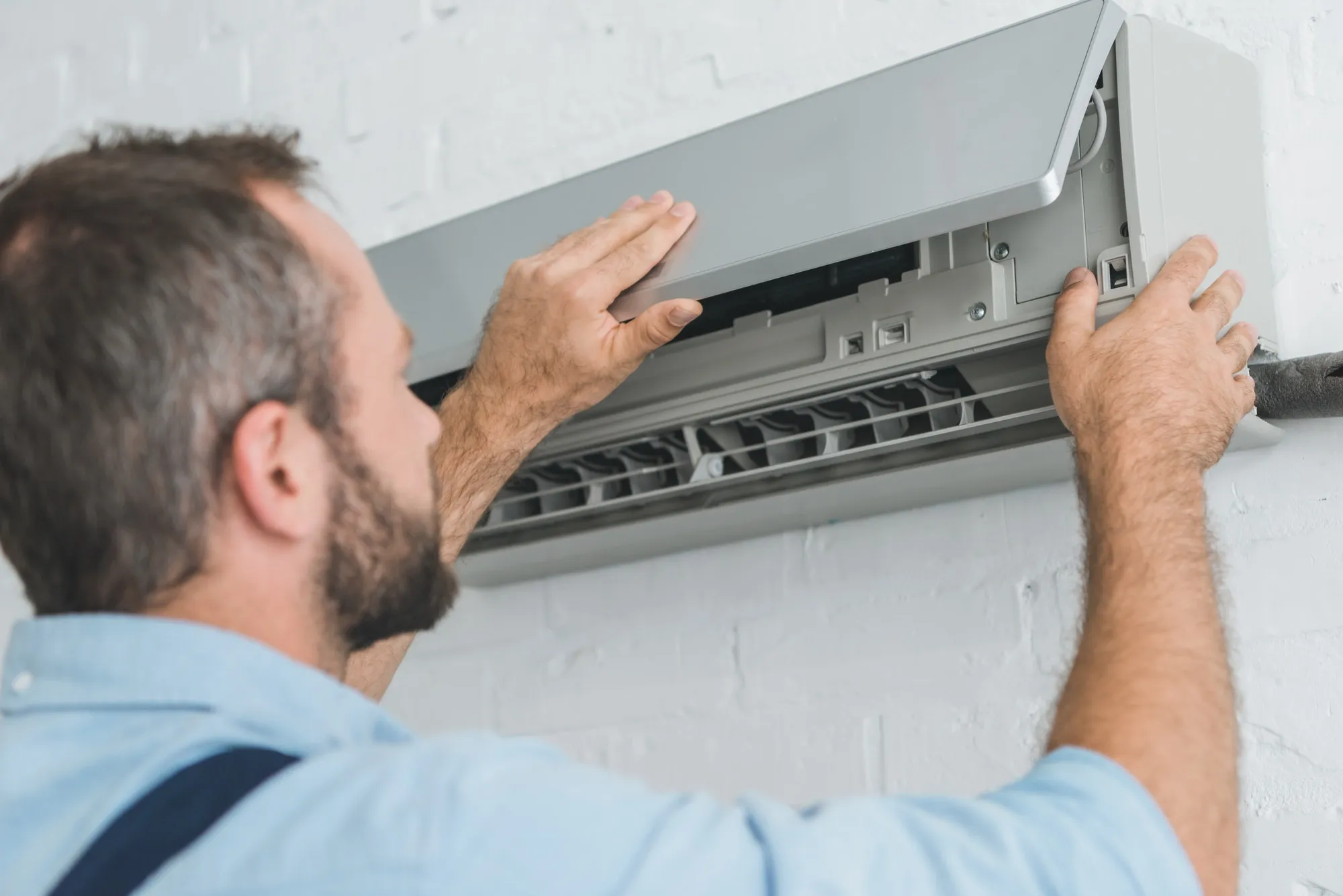
Where window units usually fail inspection and how to fix it
Common failure points are electrical hazards, poor installation, and inability to cool effectively. Here is how to address each:
- Electrical hazards: replace extension cords with permanent wiring or dedicated circuits. Call a licensed electrician to add a circuit if needed. This is a frequent deal-breaker during inspections.
- Poor seals and leaks: install proper exterior flashing or window kits and apply weatherproof sealant. Water intrusion shows up as rot or mold on inspection reports.
- Inadequate capacity: a small unit in a large room will not meet the functional test. Either add capacity with a second unit or consult a contractor for a ductless mini split or central upgrade.
- Condensate problems: clear drain lines, repair internal pans, or add condensate pumps where gravity drainage is impossible.
For straightforward repairs and parts replacement, our AC Repair and Air Conditioner Repair teams service window units and split systems across neighborhoods such as Baldwin Park and Thornton Park.
When to replace window units with central or ductless systems
Window units become impractical when they create chronic failures or the home’s intended use changes: selling to a buyer seeking central comfort, converting to long-term rentals, or upgrading insulation and ducts. Consider replacement when:
- Multiple rooms need reliable conditioning and running separate window units becomes inefficient.
- You repeatedly face electrical or water damage issues tied to window installations.
- Lenders or insurance require a permanent HVAC system for approval. In these cases a permitted, fixed installation is simpler to certify.
Options for replacement in Orlando include:
- Ductless mini splits, which are less invasive than full ductwork and efficient for zoned control.
- Full central systems, which connect to existing ductwork when present or require duct installation for whole-home comfort.
A local contractor will evaluate insulation, attic conditions near I-4 corridors, and prevailing humidity to size equipment. For professional assessments and installation, our Air Conditioning Service page outlines typical projects and service agreements.
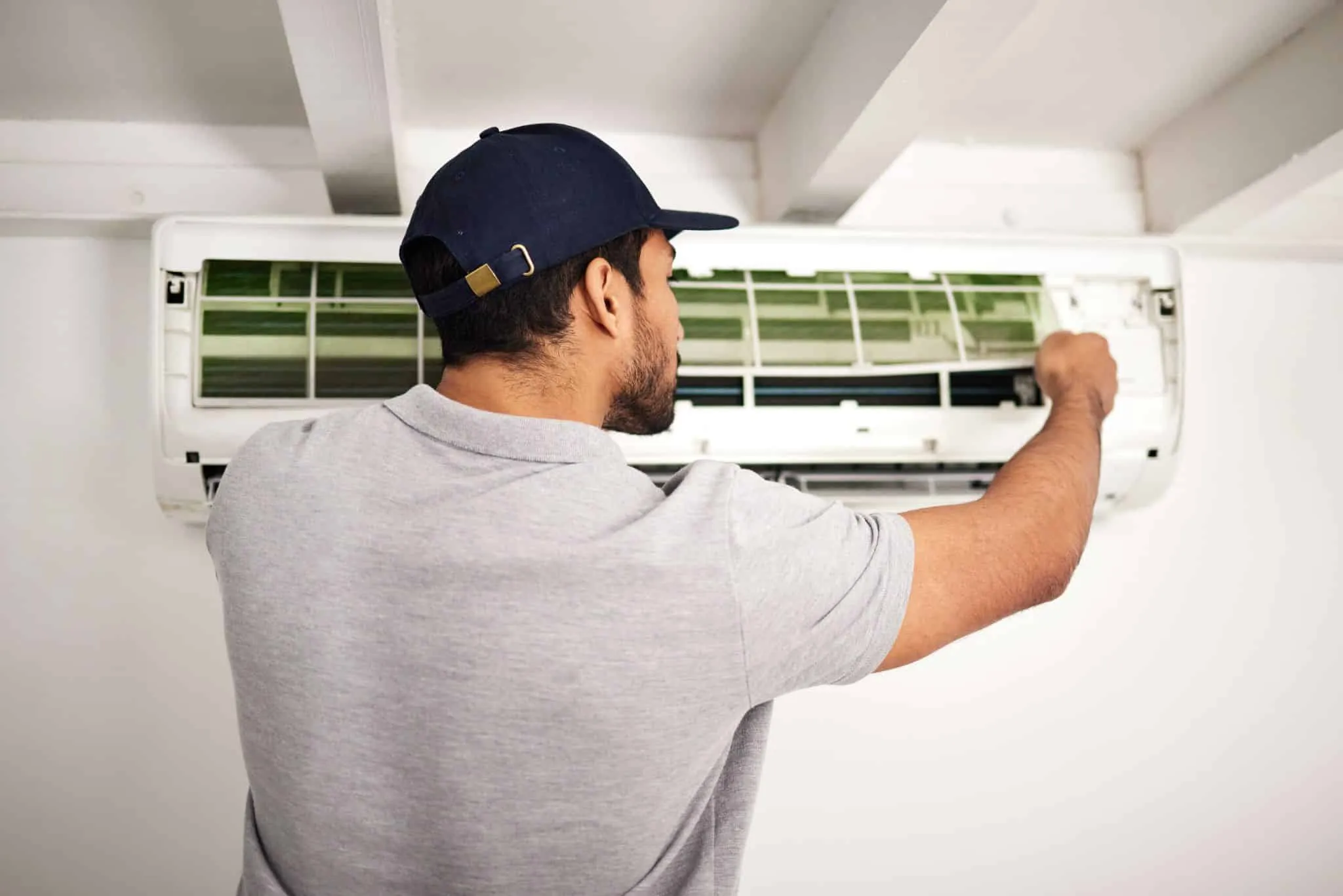
Costs, permits, and timeline you should expect
Cost and time vary with the chosen route: repair, add circuits, or replace systems.
- Minor fixes and safety upgrades: $150 to $1,000 depends on wiring, sealing, and repair parts. These can often be completed within 1 to 3 business days.
- Ductless mini split installation: usually $3,000 to $8,000 for most Orlando homes depending on zones and brand. Permits are typically required and the job often completes in 2 to 5 days.
- Central HVAC replacement: $5,000 to $12,000 or more for a full system change, including ductwork. This requires permits and inspections under the general contractor or licensed HVAC contractor.
If you are assessing financial thresholds, note the informal industry reference called the $5000 rule. That rule often guides decisions about repair versus replacement by comparing repair cost against the value and expected lifespan of new equipment. Speak with a licensed contractor to apply that rule to your situation; they can provide detailed quotes and pull permits when required.
Documenting work helps inspections go smoothly. A written service report from a licensed contractor noting operating capacity, electrical safety, and condensate handling reduces uncertainty for inspectors and potential buyers.
Local tips for Orlando homeowners and next steps
Use these practical steps to prepare for inspection and day-to-day comfort in Orlando heat:
- Do a pre-inspection walk. Check each window unit for secure mounting, clean filters, and obvious water stains on interior walls or window sills.
- Test circuits. Turn units on and run them while observing the breaker panel for trips or buzzing sounds.
- Keep records. Save invoices and service reports from recent AC work as proof of maintenance.
- Consider timing. Spring and early summer are peak seasons. Book inspections and service early to avoid delays around major events like spring training and summer vacation weeks.
If you need help now for an inspection or ongoing maintenance, call Quick Air USA at (866) 207-8555 or request service online. Our technicians work in neighborhoods across Orlando, from Winter Park Avenue to the areas near the Amway Center, and can provide the documentation inspectors ask for.
Frequently asked questions
How much is the average HVAC service call?
For Quick Air USA in Orlando a typical diagnostic service call ranges from about $75 to $150 depending on the time of year and whether you have a maintenance agreement. That fee usually covers technician travel, basic inspection, and an estimate. Parts and labor for diagnosed repairs are additional and vary by the required repair, such as capacitor replacements or compressor work.
What is the $5000 rule for HVAC?
The $5000 rule is an informal guideline contractors and homeowners use to decide between repairing and replacing HVAC equipment. If repairs approach or exceed roughly $5,000, replacement is often more cost effective because new systems are more efficient and come with fresh warranties. For your Orlando home Quick Air USA will provide a written estimate so you can compare repair cost, remaining equipment life, and efficiency gains from replacement.
What is an HVAC service?
An HVAC service with Quick Air USA includes inspection, cleaning, and testing of heating and air conditioning equipment to ensure safe, efficient operation. Services range from routine tune-ups, filter changes, and refrigerant checks to diagnostic visits for specific problems like weak cooling or electrical faults. For detailed options and maintenance plans see our Service page.
How often should your HVAC unit be serviced?
You should have cooling equipment serviced at least once a year, ideally in spring before Orlando summer peaks. If you have a heat pump, schedule service twice a year for cooling and heating checks. Regular service reduces emergency breakdowns and produces the documentation inspectors and lenders often request.
Ready to get started? Contact QUICK AIR USA – AC Services today.